
In the rapidly evolving landscape of business communication, organizations are continually seeking innovative solutions to enhance their connectivity and operational efficiency. The Private Branch Exchange (PBX) system has emerged as a pivotal technology that not only streamlines communication but also supports the growing demands of modern businesses. As companies navigate the complexities of remote work, global operations, and customer engagement, understanding the significance of PBX systems becomes essential.
What is a PBX System?
A PBX system is a private telephone network used within an organization to manage internal and external communication. Unlike traditional phone systems, which require individual lines for each phone, PBX systems allow multiple users to share a limited number of outside lines. This technology has evolved significantly from its early days as a simple switchboard to sophisticated cloud-based solutions that integrate seamlessly with various communication tools.

The Shift Toward IP and Cloud-Based PBX
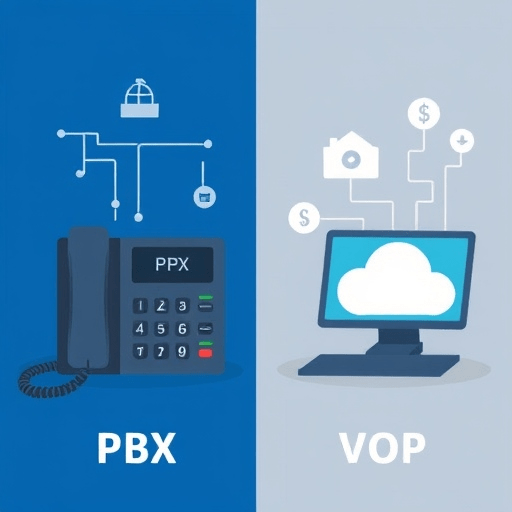
The introduction of Internet Protocol (IP) technology has transformed PBX systems, leading to the rise of IP-PBX solutions. These systems utilize VoIP (Voice over Internet Protocol) to transmit voice data over the internet, offering significant advantages over traditional telephony. Cloud-based PBX services have become particularly popular due to their cost-effectiveness, flexibility, and scalability. Businesses can now manage their communication infrastructure without the need for extensive on-premise hardware, allowing them to adapt quickly to changing operational needs.
Key Features of Modern PBX Systems
Modern PBX systems come equipped with a variety of features designed to enhance business communication:
- Call Routing: Automatically directs incoming calls to the appropriate department or agent based on predefined criteria, reducing wait times and improving customer satisfaction.
- Voicemail-to-Email: Converts voicemail messages into email format, allowing employees to access messages conveniently and ensuring that no important communications are missed.
- Conference Calling: Facilitates virtual meetings with multiple participants, promoting collaboration among remote teams and clients.
- Call Analytics: Provides detailed reporting on call activity, enabling businesses to analyze performance metrics and optimize their communication strategies.
- Integration with Other Tools: Many PBX systems can integrate with Customer Relationship Management (CRM) software and other business applications, streamlining workflows and enhancing productivity.
Benefits of Implementing a PBX System
Cost Savings
One of the most compelling reasons for adopting a PBX system is the potential for significant cost savings. By utilizing VoIP technology, businesses can reduce their telecommunication expenses. Traditional phone lines often incur high costs for long-distance calls; however, with a PBX system leveraging internet connectivity, these costs are minimized. Additionally, the scalability of PBX solutions allows businesses to expand their communication capabilities without incurring substantial infrastructure costs.
Enhanced Flexibility
PBX systems provide unmatched flexibility in managing communication needs. Businesses can easily scale their operations by adding or removing lines and features as required. This adaptability is crucial for organizations experiencing growth or seasonal fluctuations in demand. Furthermore, cloud-based PBX solutions enable remote access, allowing employees to stay connected regardless of their location.

Improved Customer Service
Effective communication is vital for delivering exceptional customer service. With features like call queuing and automated attendants, PBX systems ensure that customer inquiries are handled promptly and efficiently. By minimizing call drop rates and improving response times, businesses can enhance customer satisfaction and loyalty.
Centralized Management
A modern PBX system offers centralized control over all communication channels within an organization. Administrators can manage call routing rules, monitor call activity in real time, and implement changes quickly without disrupting service. This centralized approach not only simplifies management but also ensures consistent messaging across all departments.
Future Trends in PBX Technology
As businesses continue to embrace digital transformation, several trends are shaping the future of PBX technology:
- Artificial Intelligence Integration: AI-powered features such as chatbots and virtual assistants are being integrated into PBX systems to enhance customer interactions and streamline operations.
- Unified Communications: The convergence of voice, video, messaging, and collaboration tools into a single platform is becoming increasingly common. This integration allows for seamless communication across various channels.
- Advanced Security Measures: With the rise in cyber threats, security features such as encryption and secure access protocols are becoming essential components of modern PBX systems.
- Focus on User Experience: As organizations prioritize user experience, intuitive interfaces and customizable features will be critical in attracting businesses to specific PBX solutions.
Conclusion
In conclusion, the importance of PBX systems in shaping the future of business communication cannot be overstated. As organizations strive for greater efficiency and improved customer engagement, investing in a robust PBX solution offers numerous advantages—from cost savings and flexibility to enhanced collaboration capabilities.
By embracing this technology today, businesses position themselves not only to meet current demands but also to adapt seamlessly to future challenges in an ever-evolving landscape. The integration of advanced features and continuous innovation will ensure that PBX systems remain essential tools for effective business communication in years to come.







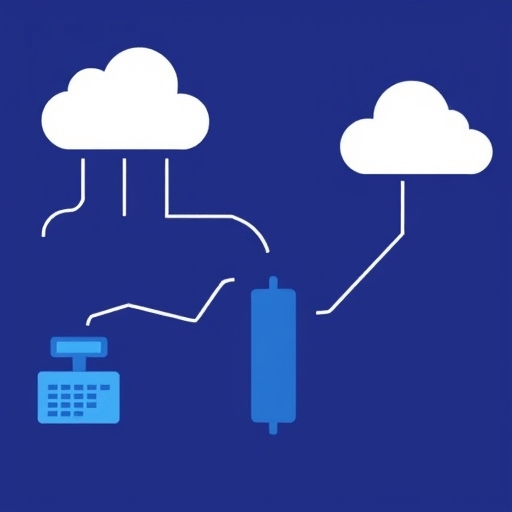
 PBX Phone System