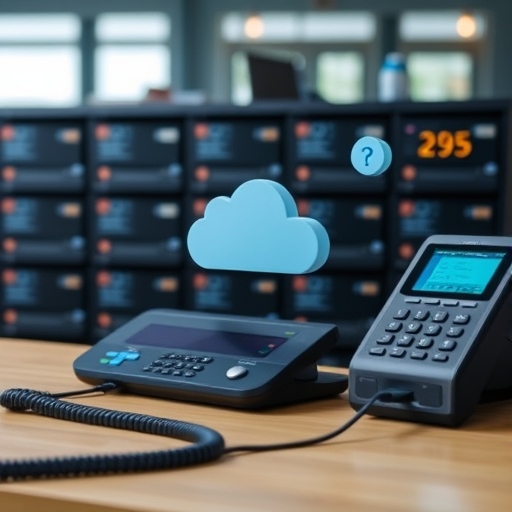
The evolution of Private Branch Exchange (PBX) systems reflects the profound changes in communication technology over more than a century. Initially developed to facilitate internal and external calls within organizations, PBX systems have transitioned from manual switchboards to sophisticated cloud-based solutions.
This transformation has not only enhanced communication efficiency but also significantly reduced costs for businesses. This article explores the historical milestones and technological advancements that have shaped PBX systems.
The Birth of PBX Systems
The origins of PBX systems can be traced back to the late 19th century when the first telephone exchanges were introduced. These early exchanges were operated manually by human operators who connected calls between customers using physical switchboards. As telephone usage increased, it became clear that a more efficient system was needed for organizations to manage their internal communications effectively.

In the early 20th century, the first PBX systems were developed. These systems allowed organizations to connect internal telephone extensions to external lines, enabling employees to make and receive calls without relying on public lines for each call. This innovation significantly improved communication efficiency within businesses and quickly gained popularity among larger organizations, such as corporations and government agencies.
Advancements in Technology: The Rise of Automatic PBX
By the 1950s and 1960s, PBX systems began to incorporate new technologies that enhanced their functionality. Features such as automatic call routing, voicemail, and caller ID were introduced, making these systems more user-friendly and efficient. The transition from manual to automated systems marked a significant shift in how businesses managed their communications.
The introduction of electronic switching technology in the 1980s further revolutionized PBX systems. This era saw the emergence of digital PBX systems, which utilized digital technology to improve call quality and provide advanced features like call forwarding, call waiting, and conference calling. Digital PBX systems also allowed for more flexible call routing and could handle a larger volume of calls compared to their analog predecessors.
The Transition to IP-Based PBX Systems
The 1990s marked a pivotal moment in the evolution of PBX technology with the introduction of IP-based PBX systems, commonly known as IP PBX. These systems used Internet Protocol (IP) networks for transmitting calls instead of traditional Public Switched Telephone Network (PSTN) lines. This shift enabled organizations to integrate their telephony with other communication tools, such as email and instant messaging, creating a more unified communication experience.
IP PBX systems offered several advantages over traditional models:
- Cost-Effectiveness: By utilizing existing internet infrastructure, businesses could significantly reduce their telecommunication costs.
- Scalability: Organizations could easily expand their communication capabilities by adding new users or features without needing extensive hardware upgrades.
- Integration: IP PBX systems allowed seamless integration with various applications, enhancing collaboration among employees.
Cloud-Based PBX Solutions: The Future of Communication
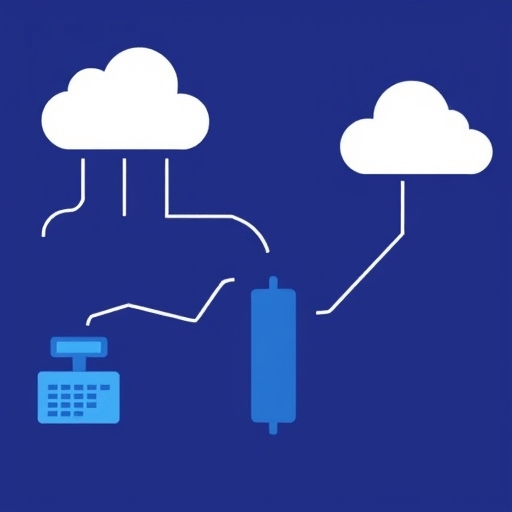
In recent years, cloud-based PBX solutions have emerged as a dominant force in business communications. These systems operate entirely over the internet, eliminating the need for on-premises hardware and reducing maintenance costs. Organizations can access their phone system from anywhere with an internet connection, providing flexibility and mobility that traditional systems cannot offer.
Cloud-based PBX solutions come with numerous benefits:
- Reduced Capital Expenditure: Businesses can avoid large upfront investments in hardware by opting for subscription-based cloud services.
- Automatic Updates: Service providers manage updates and maintenance, ensuring that organizations always have access to the latest features without additional costs.
- Enhanced Features: Many cloud PBX solutions offer advanced functionalities such as video conferencing, mobile integration, and analytics tools that help businesses optimize their communication strategies.
Key Features of Modern PBX Systems
Today’s PBX systems are equipped with a variety of features designed to enhance productivity and streamline communication:
- Unified Communications: Integration of voice calls, video conferencing, instant messaging, and email into a single platform allows for smoother collaboration.
- Call Management Tools: Features like call queuing, automated attendants, and detailed call reporting help organizations manage incoming calls more effectively.
- Mobile Accessibility: Employees can access the phone system via mobile apps or softphones, enabling them to work remotely without sacrificing connectivity.
Conclusion
The evolution of PBX systems from traditional manual switchboards to modern cloud-based solutions illustrates the rapid advancements in telecommunications technology. As businesses continue to seek more efficient and cost-effective ways to communicate, IP-based and cloud solutions will likely dominate the landscape.
Today’s organizations benefit from increased flexibility, scalability, and integration capabilities that enhance collaboration and productivity. As technology continues to advance, we can expect further innovations in how businesses communicate internally and externally. The journey of PBX has not only transformed business operations but has also paved the way for future developments in communication technologies that will continue to shape how we connect in an increasingly digital world.
 PBX Phone System
Leave a comment