
In the realm of business communication, selecting the appropriate phone system is crucial for operational efficiency and cost management. Two prominent options are PBX (Private Branch Exchange) and VoIP (Voice over Internet Protocol). Each system has its unique characteristics, advantages, and drawbacks, making it essential for businesses to evaluate their specific needs before making a decision.
Understanding PBX and VoIP
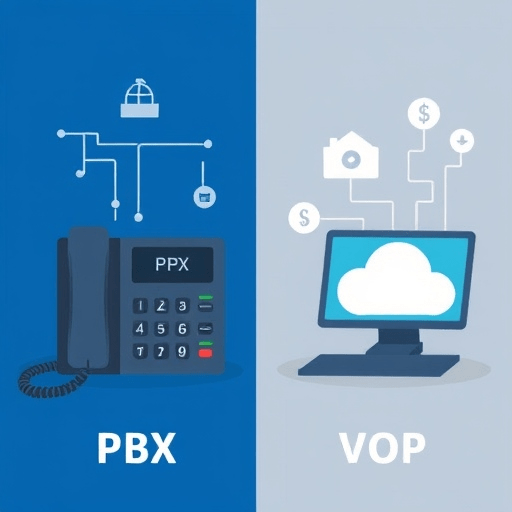
PBX is a traditional phone system that utilizes physical phone lines and hardware to facilitate voice communication within an organization. It operates independently of the internet, relying on landlines or PRI (Primary Rate Interface) connections. This system is often housed on-premises, requiring significant investment in hardware and maintenance.
VoIP, on the other hand, transmits voice data over the internet, converting voice signals into digital packets. This technology allows businesses to use their existing internet connection for phone calls, resulting in lower costs and increased flexibility. VoIP systems can be hosted in the cloud, providing access from anywhere with an internet connection.
Cost Comparison
One of the most significant differences between PBX and VoIP systems is their cost structure.
- Upfront Costs: PBX systems typically require a substantial initial investment in hardware, installation, and setup. This can lead to costs that are 60% higher than those associated with VoIP systems, which primarily involve purchasing IP phones and paying a monthly subscription fee.
- Ongoing Costs: Maintenance of a PBX system often necessitates dedicated IT staff to manage the infrastructure, leading to higher operational costs. In contrast, VoIP services are usually managed by third-party providers, significantly reducing the need for in-house IT resources.
Scalability
Scalability is another critical factor when comparing these two systems:
- PBX Scalability: Expanding a PBX system can be complex and costly. Adding new lines often requires additional hardware installations and modifications to existing infrastructure. This can lead to delays and increased expenses when scaling up operations.
- VoIP Scalability: VoIP systems excel in scalability. Businesses can easily add or remove users through software configurations without needing significant hardware changes. This flexibility allows companies to adapt quickly to changing needs without incurring substantial costs.
Features and Functionality
Both PBX and VoIP offer various features that support business communication; however, they differ in terms of capabilities:
- Standard Features: Both systems provide essential features such as call forwarding, voicemail, and conferencing. However, VoIP typically includes more advanced functionalities like video conferencing, instant messaging, mobile apps for remote work, and integration with CRM software.
- Integration Capabilities: VoIP systems are generally better at integrating with other software platforms. This capability enables businesses to create a unified communication experience across different devices and applications.
Reliability
Reliability is paramount for any business communication system:
- PBX Reliability: Traditional PBX systems tend to be more reliable in areas with unstable internet connections since they do not rely on internet access for operation. They often provide superior call quality under adverse conditions.
- VoIP Reliability: While modern VoIP technology has improved significantly in terms of reliability, it still depends on a stable internet connection. Businesses located in areas with poor internet service may experience disruptions or lower call quality when using VoIP. Additionally, VoIP systems are susceptible to security risks such as hacking incidents, which are less common with traditional PBX setups.
Flexibility for Remote Work
The rise of remote work has made flexibility a vital consideration:
- PBX Limitations: PBX systems are inherently location-dependent due to their reliance on physical hardware at the workplace. This setup can limit remote working capabilities unless additional infrastructure is implemented.
- VoIP Flexibility: VoIP shines in this area by allowing employees to make and receive calls from anywhere with an internet connection. This feature is particularly beneficial for businesses with remote teams or those that require mobility.
Security Considerations
Security is a critical aspect of any communication system:
- PBX Security: Since traditional PBX systems operate independently from the internet, they are less vulnerable to online threats. However, they still require physical security measures to protect against unauthorized access.
- VoIP Security: VoIP systems face various online security challenges due to their reliance on internet connectivity. Businesses must implement robust security measures such as encryption and firewalls to protect against potential threats.
Making the Right Choice
When deciding between PBX and VoIP systems, businesses should consider several factors:
- Business Size and Budget: Larger companies with dedicated IT resources may find value in investing in a PBX system due to its reliability and call quality. Conversely, small to medium-sized businesses often benefit from the cost-effectiveness and scalability of VoIP solutions.
- Required Features: Assessing the necessary features for your business is crucial. If advanced functionalities like video conferencing or CRM integration are essential, VoIP may be the better choice due to its broader range of capabilities.
- Future Growth Plans: Consider how quickly your business may grow or change in the coming years. If rapid expansion is anticipated, opting for a scalable solution like VoIP will facilitate easier adjustments without incurring hefty costs associated with hardware upgrades.
Conclusion
In summary, both PBX and VoIP have distinct advantages that cater to different business needs. While PBX offers reliability and superior call quality under certain conditions, it comes with higher costs and limited scalability. On the other hand, VoIP provides a flexible, cost-effective solution that can adapt quickly as businesses evolve.
Ultimately, choosing the right communication system hinges on understanding your organization’s specific requirements regarding budget constraints, scalability needs, feature preferences, reliability concerns, and security considerations. By carefully evaluating these factors, businesses can make an informed decision that aligns with their operational goals and enhances overall communication efficiency.
 PBX Phone System
Leave a comment