A Private Branch Exchange (PBX) phone system is an essential communication tool for businesses, enabling efficient internal and external communication. This guide explores the features, types, benefits, and considerations for implementing a PBX system in your organization.
What is a PBX Phone System?
A PBX phone system is a private telephone network used within an organization. It facilitates communication by connecting internal phone lines and managing external calls. The system acts as a central hub that routes incoming calls to the appropriate extensions or departments, significantly enhancing communication efficiency while reducing costs associated with traditional phone systems.
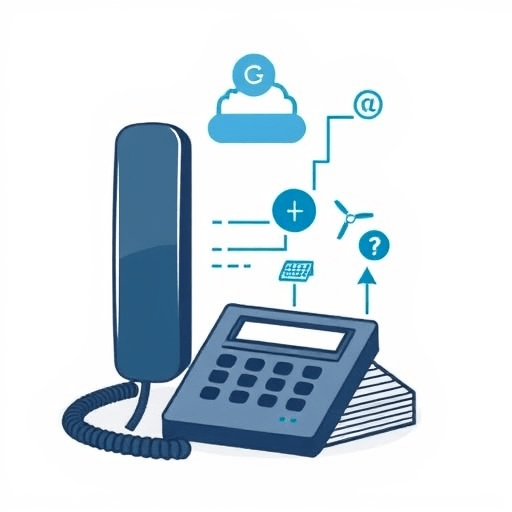
How Does a PBX System Work?
The operation of a PBX system revolves around its ability to manage call routing. When a call comes in, the PBX automatically directs it to the correct department or individual based on predefined rules. For internal calls, employees can dial each other directly using extension numbers without needing to go through external networks, streamlining communication.
Key functionalities of a PBX include:
- Call Routing: Directs incoming calls to the appropriate recipient.
- Voicemail Management: Records messages when calls cannot be answered.
- Call Transfer: Allows seamless transfer of calls between users.
- Conference Calling: Facilitates group discussions among multiple participants.
- Call Recording: Captures calls for training or compliance purposes.
Key Features of PBX Systems
Modern PBX systems come equipped with various features designed to enhance business communications:
- Auto-Attendant: An automated greeting that directs callers to the right department based on their selections.
- Interactive Voice Response (IVR): Allows callers to interact with the system through voice or keypad inputs.
- Call Queuing: Manages incoming calls by placing them in line until an agent is available.
- Voicemail-to-Email: Converts voicemail messages into emails for easy access and management.
- Analytics and Reporting: Provides insights into call volumes, durations, and employee performance metrics.
Types of PBX Systems
There are several types of PBX systems available, each with distinct characteristics:
- Traditional Analog PBX: Utilizes physical wiring and switchboards to manage calls. This type is often more expensive to set up and maintain due to the need for hardware installation.
- IP PBX: Operates over a Local Area Network (LAN) or the internet, converting voice calls into digital signals. This system is more flexible and feature-rich than traditional models.
- Hosted or Cloud PBX: A cloud-based solution that allows businesses to manage their phone systems via an online dashboard. This type offers scalability and flexibility since it can be accessed from any device with internet connectivity.
- Hybrid PBX: Combines elements of both traditional and IP systems, allowing businesses to integrate existing analog equipment with newer technology.
Benefits of Implementing a PBX System
Investing in a PBX system offers numerous advantages for businesses:
- Cost Savings: By managing internal calls without using public telephone networks, businesses can significantly reduce communication costs.
- Scalability: As your business grows, a PBX system can easily scale to accommodate additional users and features without extensive hardware changes.
- Enhanced Communication: With features like call forwarding, voicemail-to-email, and auto-attendants, communication becomes more efficient and responsive.
- Improved Customer Service: Call queuing and IVR features ensure that customers receive timely assistance, enhancing their overall experience with your business.
- Centralized Management: Many modern PBX systems offer online dashboards for easy administration of user accounts, call logs, and analytics.
Considerations When Choosing a PBX System
When selecting a PBX system for your business, consider the following factors:
- Business Size and Needs: Evaluate the size of your organization and its specific communication requirements. Larger businesses may benefit from more advanced features like call center functionality.
- Budget: Determine your budget for initial setup costs as well as ongoing maintenance expenses.
- Integration Capabilities: Ensure that the chosen PBX system can integrate with existing tools such as Customer Relationship Management (CRM) software or other communication platforms.
- Technical Support: Look for providers that offer reliable customer support and maintenance services to address any issues that may arise post-installation.
Conclusion
A PBX phone system is critical in enhancing business communications by providing efficient call management solutions tailored to organizational needs. By understanding its functionality, features, types, benefits, and considerations when selecting a system, businesses can make informed decisions that improve internal collaboration and customer interactions. Investing in the right PBX solution can lead to significant cost savings while fostering a professional image through enhanced communication capabilities.
 PBX Phone System